Thinking about selling a charming older home in Central Austin? You are not just putting a house on the market. You are presenting a piece of Austin’s identity, and that takes a different strategy than selling a newer build by square footage alone. If you want to attract the right buyers, price with precision, and highlight the details that make your home special, this guide will walk you through it. Let’s dive in.
Why character homes sell differently
In Central Austin, character homes often compete on lifestyle as much as layout. Austin’s preservation materials note that older buildings and historic districts are part of the city’s sense of place, and older neighborhoods tend to score higher for walkability, transit, and bike access while supporting local businesses and cultural assets.
That context matters when you sell. Buyers looking in areas with older housing stock are often drawn to things like porches, built-ins, original millwork, wood floors, mature trees, and the feel of the block itself. A beautiful kitchen still matters, but it is rarely the whole story.
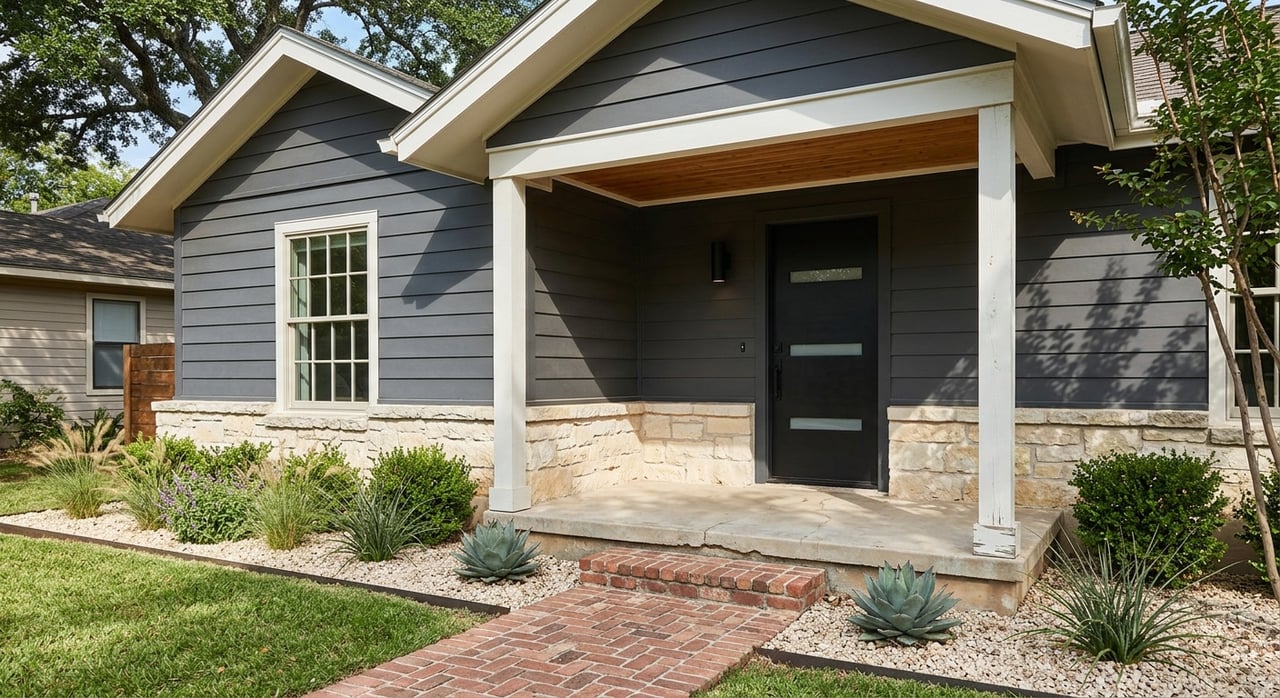
Austin also points to the architectural variety found in older districts, including bungalows in Hyde Park and Castle Hill, along with Queen Anne, Classical Revival, Craftsman, and cottage-style homes across historic areas. If your home reflects any of that architectural character, your marketing should make it clear from the start.
Start with pricing reality
The Central Austin market is not rewarding wishful pricing right now. In April 2026, the City of Austin posted a median residential sale price of $573,750, with 4.5 months of inventory and a 94.9% average close-to-list price. Travis County posted a $505,000 median price, 4.8 months of inventory, and a 94.6% close-to-list ratio.
Those numbers point to a more balanced market. Earlier 2026 figures showed the same trend, with the City of Austin at 5.4 months of inventory in March and the metro at 5.5 months for the first quarter. That means buyers usually have options, and sellers need a sharper strategy than they might have used during the boom years.
Texas A&M Real Estate Research Center data adds another reality check. In February 2026, the median price cut among closed sales in Austin was $30,000, or 6.7% off original list price, and Texas homes averaged 82 days on market. In other words, nostalgia is not a pricing plan.
Price the home you have
A Central Austin character home should be priced against recent micro-neighborhood comparables, not against the most aspirational listing nearby. Buyers will quickly compare your home’s condition, layout, parking, lot usability, and updates against similar homes in the same area.
That is especially important with older homes, where charm can be strong but floor plans, storage, or maintenance needs can vary a lot. The right list price should reflect what buyers can confirm quickly in person and online.
Preserve the charm, polish the presentation
You do not need to erase a home’s personality to prepare it for market. In fact, the goal is usually the opposite. You want the best original features to stand out while making the home feel clean, bright, and easy to understand.
For many period homes, that means keeping original trim, built-ins, wood floors, and porch details visible. It also means reducing visual clutter, editing furniture, and helping each room feel a little larger and lighter than it does in everyday life.
Focus on the rooms buyers notice most
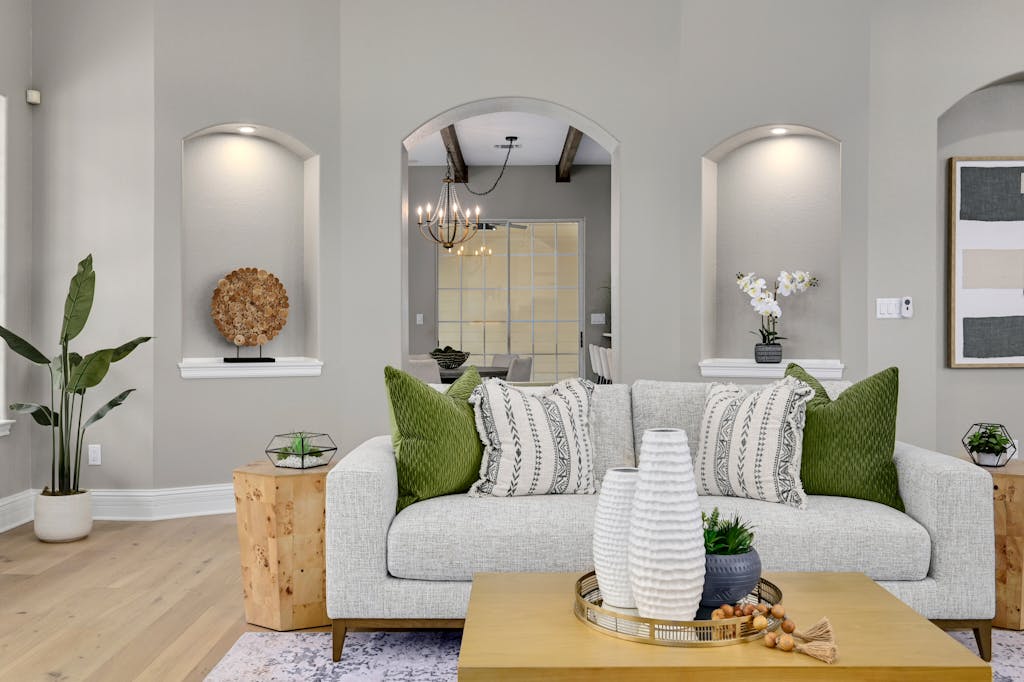
The 2025 National Association of Realtors staging report found that 83% of buyers’ agents said staging made it easier for buyers to visualize a home as their future residence. The rooms buyers’ agents ranked most important to stage were:
- Living room
- Primary bedroom
- Kitchen
On the seller side, the most commonly staged rooms were the living room, primary bedroom, and dining room. That fits character homes well, because those are often the spaces where architecture and mood do the most work.
You do not have to stage everything
Full-house staging is not the only option. NAR found that 51% of sellers’ agents do not fully stage homes and instead recommend decluttering or fixing property faults. The median spend on professional staging services was $1,500.
That is useful if you are deciding where to invest. In many Central Austin homes, a smart mix of light staging, furniture editing, paint touch-ups, and better lighting can do more than an expensive last-minute overhaul.
Prioritize repairs that protect value
When you prepare a character home for sale, the smartest repairs are usually the least flashy ones. Buyers may fall in love with original details, but they still pay close attention to maintenance and signs of deferred care.
A practical repair order is often:
- Stop water intrusion
- Address clear mechanical issues
- Fix visible safety concerns
- Clean up small cosmetic distractions
- Document meaningful upgrades already completed
Starting a major remodel right before listing can backfire, especially if it ends up half-finished or mismatched to the home’s style. In many cases, it is better to present the home honestly, handle the most important issues, and let buyers see the architecture clearly.
Be careful with pre-1978 homes
If your home was built before 1978, lead-based paint may be present. The EPA advises homeowners to maintain painted surfaces, fix small damaged areas without excessive sanding, and use lead-safe certified firms for renovation, repair, or painting work that could disturb lead paint.
That matters during pre-listing prep. Rushed sanding or improper paint work can create problems instead of solving them.
Make online marketing do more work
Many buyers will form their first opinion of your home before they ever book a showing. That is especially true for Central Austin character homes, where design details, curb appeal, and neighborhood context often influence interest right away.
NAR reports that buyers’ agents say photos, physical staging, videos, and virtual tours are all important to clients. It also found that 81% of buyers rate listing photos as the most useful feature during an online search.
Tell a clear visual story
Strong listing media should help buyers understand both the home and the setting. For a character home, that may mean showing:
- Front porch presence and curb appeal
- Original woodwork or built-ins
- Natural light in living spaces
- Kitchen and bath updates
- Lot usability and outdoor areas
- The home’s relationship to the street and neighborhood feel
Austin Home Girls Realty’s boutique marketing approach fits this kind of listing especially well. A character home often benefits from professional photography and neighborhood context that explain why the property feels special, not just what room count it offers.
Know your historic status before listing
Some Central Austin homes come with historic designations or district-related review requirements. Before planning exterior work or marketing updates, it helps to know exactly where your property stands.
Austin’s Historic Preservation Office says that landmark properties, contributing properties in historic districts, and National Register district properties require a historic review application for exterior alterations, additions, permanent site work, signs, and new construction. The City also encourages owners to use the Historic Property Viewer to confirm whether a property is a landmark or located within a district.
Why this matters to sellers
If you make exterior changes without understanding the rules, you risk delays, added costs, or confusion during the sale process. It is much better to verify your home’s status early and plan accordingly.
This can also shape how you market the property. Historic or contributing status may be part of the home’s appeal, but buyers also need clear information about any review requirements that could affect future exterior changes.
Get disclosures right from day one
Older homes usually come with more history, and that means disclosures matter even more. In Texas, the Seller’s Disclosure Notice is required for sellers of previously occupied single-family residences under Texas Property Code Section 5.008.
The Texas Real Estate Commission notes updates to the form that include items such as insurance status, private-road maintenance responsibility, aboveground storage tanks, and conservation easement status. Accuracy matters, and so does completing the form early enough that you can answer questions calmly instead of scrambling later.
Lead-based paint disclosure may apply
For most pre-1978 housing, sellers must disclose known lead-based paint or lead hazard information before the sale is finalized. Sellers must also provide available records, give buyers the EPA pamphlet, and allow time for a lead inspection.
This is one more reason to organize documents before your home hits the market. A cleaner paper trail usually leads to a smoother contract period.
Market to the right buyer pool
Not every buyer is looking for a character home, and that is fine. The goal is not to appeal to everyone. The goal is to connect with buyers who value the things your home does best.
Austin’s preservation materials support the idea that older districts and mixed-age neighborhoods often offer strong walkability, transit access, bike access, and neighborhood identity. Those qualities can matter as much as square footage for buyers who want a certain Central Austin lifestyle.
NAR data also suggests many buyers are financially serious and highly prepared before they tour. In 2025, first-time buyers were only 21% of the market, all-cash purchases averaged 26%, and 54% of repeat buyers used proceeds from a previous home to finance their next purchase.
Buyers are deciding early
NAR found that buyers typically expected to view a median of eight homes in person and 20 homes virtually. It also found that 79% already had ideas about where they wanted to live and what they wanted before starting the process.
That means your listing needs to be specific from the beginning. Buyers should understand the home’s architecture, condition, updates, and neighborhood context before they ever step inside.
The right selling plan for Central Austin
Selling a character home in Central Austin the right way is usually about discipline, not drama. You need accurate pricing, selective repairs, restrained staging, strong photography, and clear disclosures that respect the age and style of the home.
When all of that comes together, your home stands out for the right reasons. Buyers can see its charm, trust its presentation, and understand its value in the context of the neighborhood.
If you are getting ready to sell and want a broker-led strategy tailored to your Central Austin micro-market, connect with Reinae Kessler for hands-on guidance, thoughtful marketing, and direct local expertise.
FAQs
What makes a Central Austin character home different to sell?
- A Central Austin character home is often valued for architecture, original details, mature landscaping, and neighborhood context, not just square footage or new finishes.
How should you price a character home in Central Austin?
- You should price it using recent micro-neighborhood comparables and realistic adjustments for condition, layout, parking, lot usability, and updates, especially in a market where close-to-list ratios have softened.
Do you need to fully stage a Central Austin character home?
- No. Many sellers benefit from decluttering, light staging, and focusing on key rooms like the living room, primary bedroom, and kitchen rather than staging every room.
What disclosures matter when selling an older home in Texas?
- Sellers of previously occupied single-family homes generally need the Texas Seller’s Disclosure Notice, and most pre-1978 homes also require lead-based paint disclosure before the sale is finalized.
How can you check if a Central Austin home has historic restrictions?
- You can verify whether a property is a landmark or in a historic district through the City of Austin’s Historic Property Viewer and review the Historic Preservation Office guidance before planning exterior work.
Why do listing photos matter so much for a Central Austin home sale?
- Buyers often narrow choices online first, and NAR reports that listing photos are the most useful feature during an online home search for most buyers.