Wondering how to make a Central Austin bungalow stand out without stripping away the very charm buyers want? If you are getting ready to sell an older home in neighborhoods like Old West Austin, the goal is not to make it feel generic. It is to present it as cared for, easy to understand, and easy to imagine living in. In this market, the right mix of staging and marketing can help your home compete more effectively. Let’s dive in.
Why presentation matters in Central Austin
Central Austin is still a market where details matter. In June 2026, the City of Austin had a median residential price of $605,000, 4,665 active listings, 4.3 months of inventory, and homes averaged 94.5% of list price. In Travis County, the median was $542,000 with 4.7 months of inventory and homes averaging 94.2% of list price.
For you as a seller, that means pricing matters, but presentation matters too. Buyers have options, so polished condition and thoughtful marketing can help your bungalow rise above similar listings. When a home shows well online and in person, it creates momentum from the start.
Start with the bungalow’s strongest asset
A Central Austin bungalow usually wins buyers over with character. Older homes continue to appeal because many buyers see them as a better overall value, and many are also drawn to charm and architectural detail. That is especially relevant in places like Old West Austin, where preserving neighborhood character has long been part of the local vision.
Your best strategy is not to erase age. It is to show that the home’s original details and current livability can work together. Buyers want the warmth of an older home, but they also want signs that it has been maintained with care.
Highlight what makes it distinctive
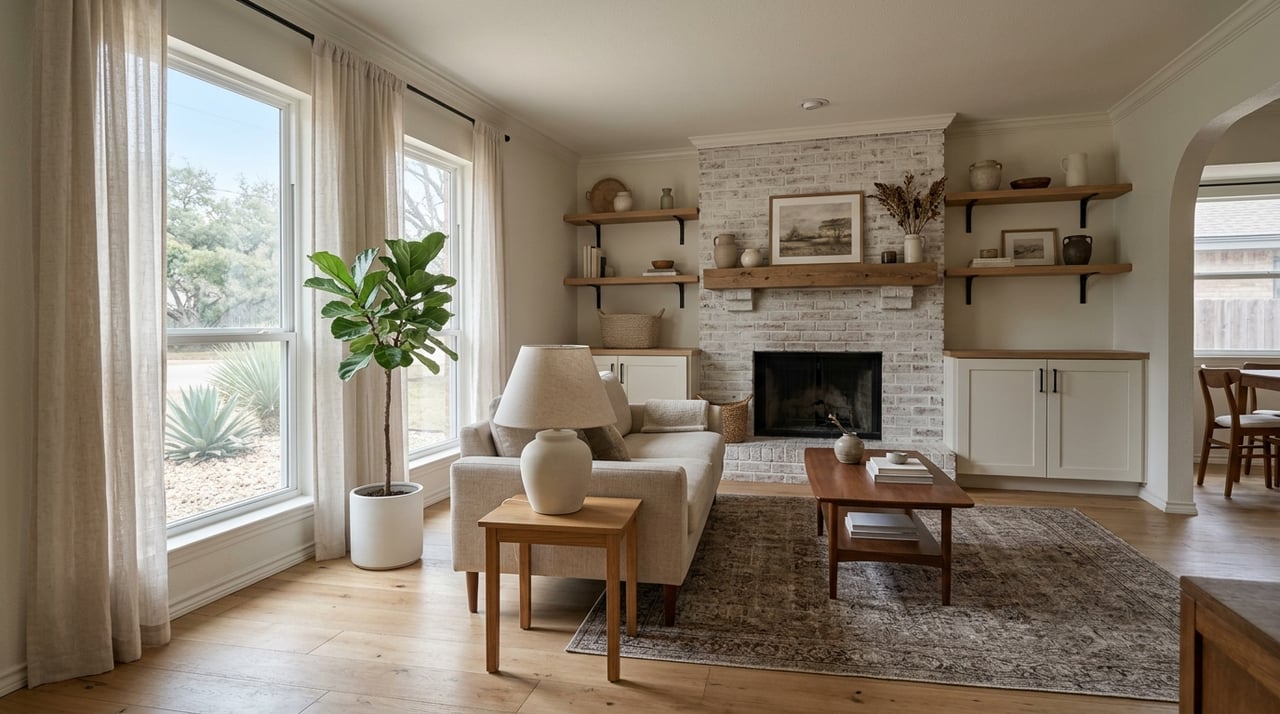
Before you stage anything, identify the features that tell the home’s story. That might include original floors, built-ins, trim, fireplaces, porch details, or a classic cottage-style layout. These are the details that often separate a bungalow from a newer home.
Once you know what matters most, make sure furniture and décor do not compete with those features. A good staging plan should reveal the home’s personality, not cover it up.
Fix friction before you decorate
One of the biggest mistakes sellers make is styling first and repairs second. Buyers may love charm, but many also choose newer homes because they want to avoid renovation issues or worries about plumbing and electrical systems. That is why visible maintenance concerns can quickly distract from a bungalow’s appeal.
Before photos or showings, focus on the basics that help the home feel solid and well cared for. This does not mean a full remodel. It means removing the little signs of neglect that make buyers hesitate.
Prioritize practical pre-listing updates
A smart pre-listing checklist often includes:
- Touch-up or fresh paint where surfaces look tired
- Minor porch, walkway, or entry repairs
- Clean, trimmed landscaping
- HVAC servicing
- Weatherstripping or draft sealing
- Window and door adjustments if they stick or do not close cleanly
- Repairing obvious cosmetic wear that draws the eye
Energy-related details matter too. Recent buyer trend data shows heating and cooling costs and the condition of windows, doors, and siding are important to many buyers. In an older Central Austin home, quiet efficiency updates can help reassure buyers without changing the home’s character.
Be thoughtful with exterior work
Curb appeal still carries real weight. Most agents recommend improving it, and nearly all see it as important for attracting buyers. For a bungalow, that often means fresh exterior paint, a tidy yard, and an entry that feels intentional and welcoming.
If your home is in a local historic district, be careful before making exterior changes. Austin requires review and approval for exterior site and building changes to contributing properties in local historic districts, except for routine maintenance and in-kind repairs. Checking the city’s Historic Property Viewer before planning updates can save you time and avoid missteps.
Know the lead-paint rule
If your home was built before 1978, lead-based paint rules may apply. Sellers and agents are responsible for disclosing known lead-based paint information before a sale, and renovation or painting work that disturbs lead paint should be handled by lead-safe certified contractors. This is one of those details that is best addressed early so your listing process stays smooth.
Stage for clarity, not perfection
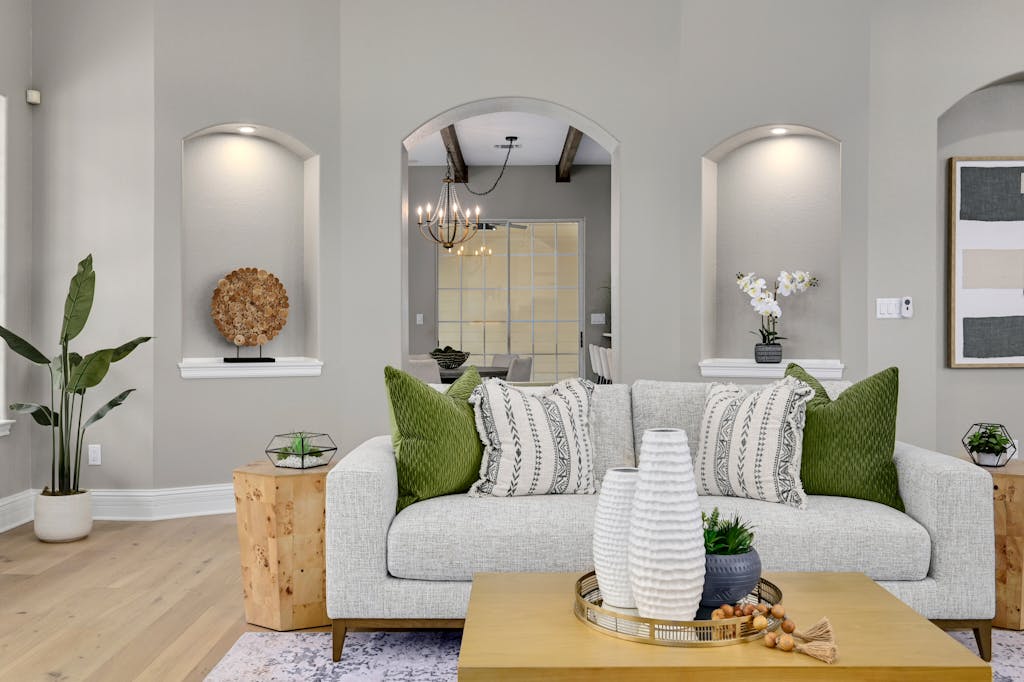
Staging works because it helps buyers picture themselves in the home. According to the 2025 Profile of Home Staging, 83% of buyers’ agents said staging made it easier for buyers to visualize a property as their future home. That is especially important in a bungalow, where room sizes and layouts can feel less familiar than in newer construction.
The key is to simplify without making the home feel flat. You want buyers to notice the windows, trim, floors, and flow of the home, not your extra furniture or personal collections.
Focus on the rooms buyers notice first
The rooms that matter most are usually:
- Living room
- Primary bedroom
- Kitchen
- Dining room
These spaces do the heavy lifting in listing photos and showings. If your budget or timeline is limited, start here first.
Use staging to show scale and flow
Keep furniture proportional to the home. Many bungalows have smaller or more defined rooms, so oversized sectionals, bulky bed frames, and packed bookshelves can make the layout feel tighter than it is.
A better approach is to edit hard. Remove excess furniture, pack away highly personal items, and keep closets about half full. Neutral styling helps buyers focus on the space itself while still letting the home’s original features stand out.
Preserve character while simplifying
The goal is not to make your bungalow look like every other listing. It is to make its best features easier to see. Leave original trim, built-ins, floors, fireplaces, and porch details visible whenever possible.
That balance matters because buyers of older homes often want charm and character. If you stage too heavily, you can accidentally hide the details they came to see.
Finish staging before photos
Most buyers begin their search online, so your listing needs to look finished before it ever hits the market. Buyer trend data shows photos are the most useful website feature for 83% of buyers. Floor plans are useful for 57%, virtual tours for 41%, neighborhood information for 35%, and videos for 29%.
That means professional visuals are not optional for a Central Austin bungalow. They are the core of your marketing plan. If the home is only half-prepared when photos are taken, you usually lose your best chance to make a strong first impression.
Build a complete digital package
For a character home, the strongest digital presentation often includes:
- Professional photography
- A clear floor plan
- Virtual tour or video when appropriate
- Accurate, polished listing copy
- Neighborhood context that helps buyers understand the lifestyle
This kind of package works well because it gives buyers both beauty and clarity. They can admire the details, but they can also understand the layout and how the home lives day to day.
Keep visual marketing accurate
If virtual staging or edited visuals are used, accuracy matters. Buyers respond to polished presentation, but they also want trust and transparency. Any material photo enhancements should be disclosed so buyers can compare what they see online with what they experience in person.
Tell a neighborhood-specific story
A bungalow in Central Austin should not be marketed like a generic listing. The home and the neighborhood are part of the same story. Buyers care about more than square footage, and neighborhood quality ranks high in how people choose where to live.
For areas like Old West Austin, the neighborhood context is especially important. The city’s neighborhood plan emphasizes pedestrian-friendly streets, neighborhood-oriented shops, parks and open space, and preserving the area’s historic identity. That makes a lifestyle-centered marketing approach a strong fit.
What listing copy should communicate
Strong marketing for a Central Austin bungalow should help buyers understand:
- The home’s architectural era or year built, when accurate
- Preserved details that give it character
- How the floor plan supports modern living
- Nearby parks, shops, and neighborhood amenities
- The feel of the surrounding streetscape and local identity
This is not about overselling nostalgia. It is about helping buyers connect the home’s history to how they would actually live there now.
The best strategy is careful, not flashy
For today’s buyer, the most effective plan is usually simple. Remove friction, preserve what is special, stage with intention, photograph professionally, and market the home with a story that fits its micro-location. That approach lines up with what buyers say they want: charm, neighborhood context, strong visuals, and honest presentation.
In a market with steady inventory and buyers who compare every listing online, thoughtful preparation can make a meaningful difference. A Central Austin bungalow does not need to pretend to be new. It just needs to feel cared for, well presented, and true to its setting.
If you are preparing to sell a character home in Central Austin, working with a broker who understands staging, neighborhood storytelling, and the local buyer mindset can help you make smart decisions before your home goes live. To talk through a tailored listing plan, connect with Reinae Kessler.
FAQs
How should you stage a Central Austin bungalow before listing?
- Focus on decluttering, removing oversized furniture, and highlighting original details like trim, floors, built-ins, fireplaces, and porch features so buyers can see the home’s character clearly.
What updates matter most before selling an older home in Central Austin?
- Prioritize visible maintenance items, curb appeal, HVAC servicing, draft sealing, and minor repairs that help the home feel well cared for without stripping away its original character.
Why is professional photography important for a Central Austin bungalow listing?
- Most buyers start online, and photos are the most useful listing feature for many of them, so strong photography helps your home make a better first impression and stand out among competing listings.
What should listing marketing emphasize for an Old West Austin bungalow?
- Marketing should highlight the home’s preserved features, practical layout, and neighborhood context, including pedestrian-friendly streets, parks, and nearby shops when accurate and relevant.
What should you know before making exterior changes to a historic Central Austin home?
- If the property is in a local historic district, certain exterior site and building changes may require city review and approval, so it is wise to confirm the home’s status before starting work.
What disclosure issue can affect pre-1978 bungalows in Austin?
- If the home was built before 1978, sellers must disclose known lead-based paint information before sale, and any work that disturbs lead paint should be handled by lead-safe certified contractors.